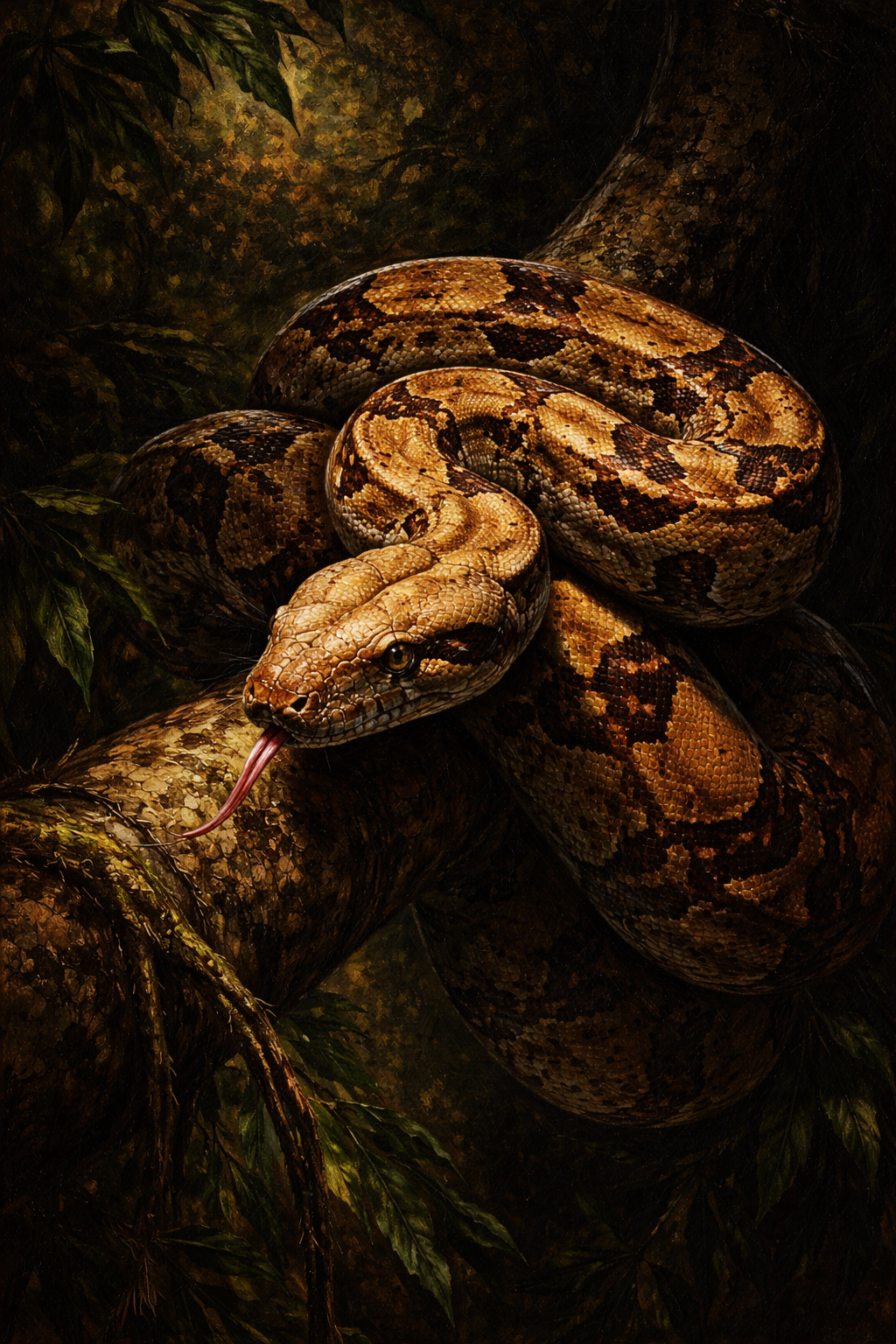
Seven Species — A Field Guide
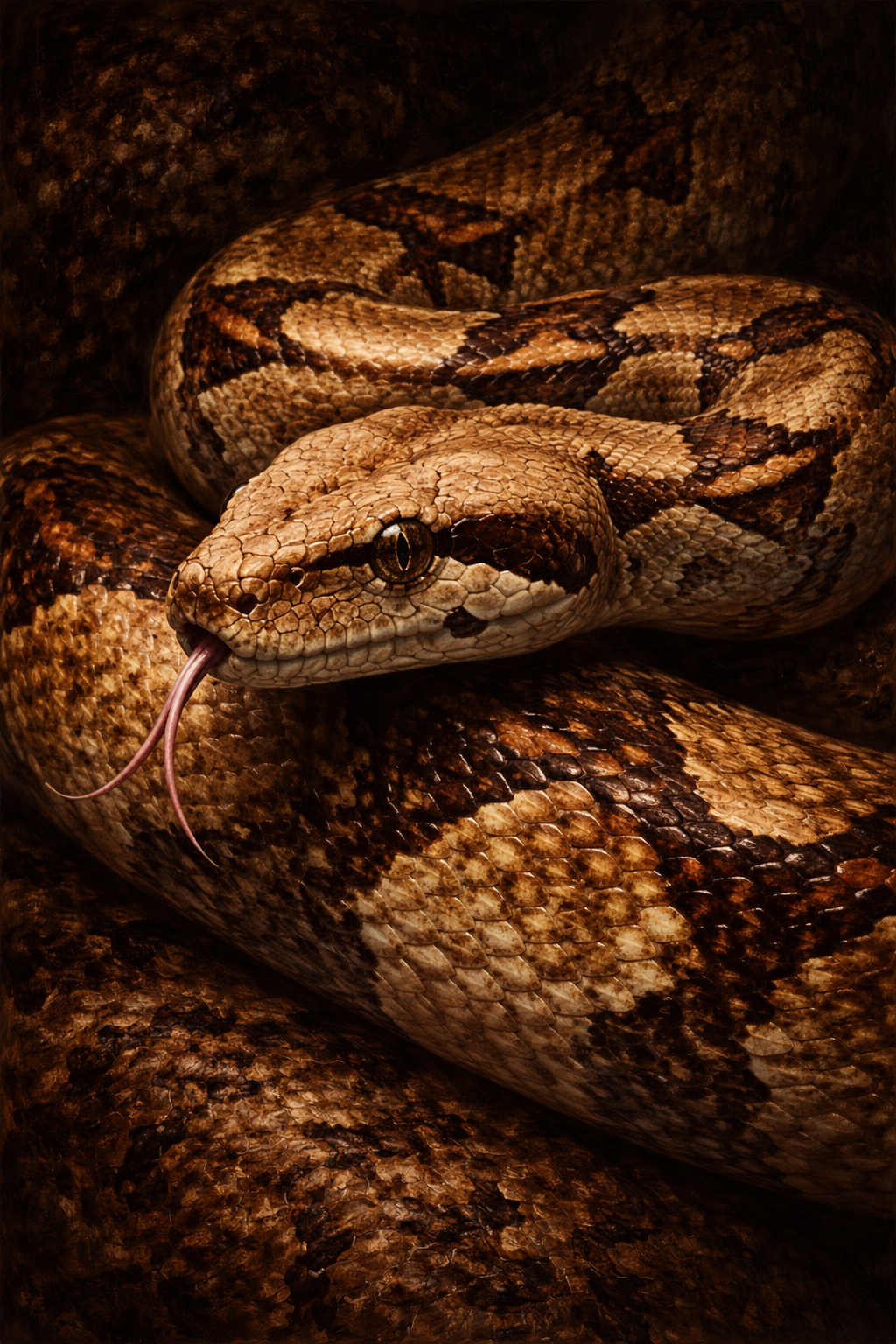
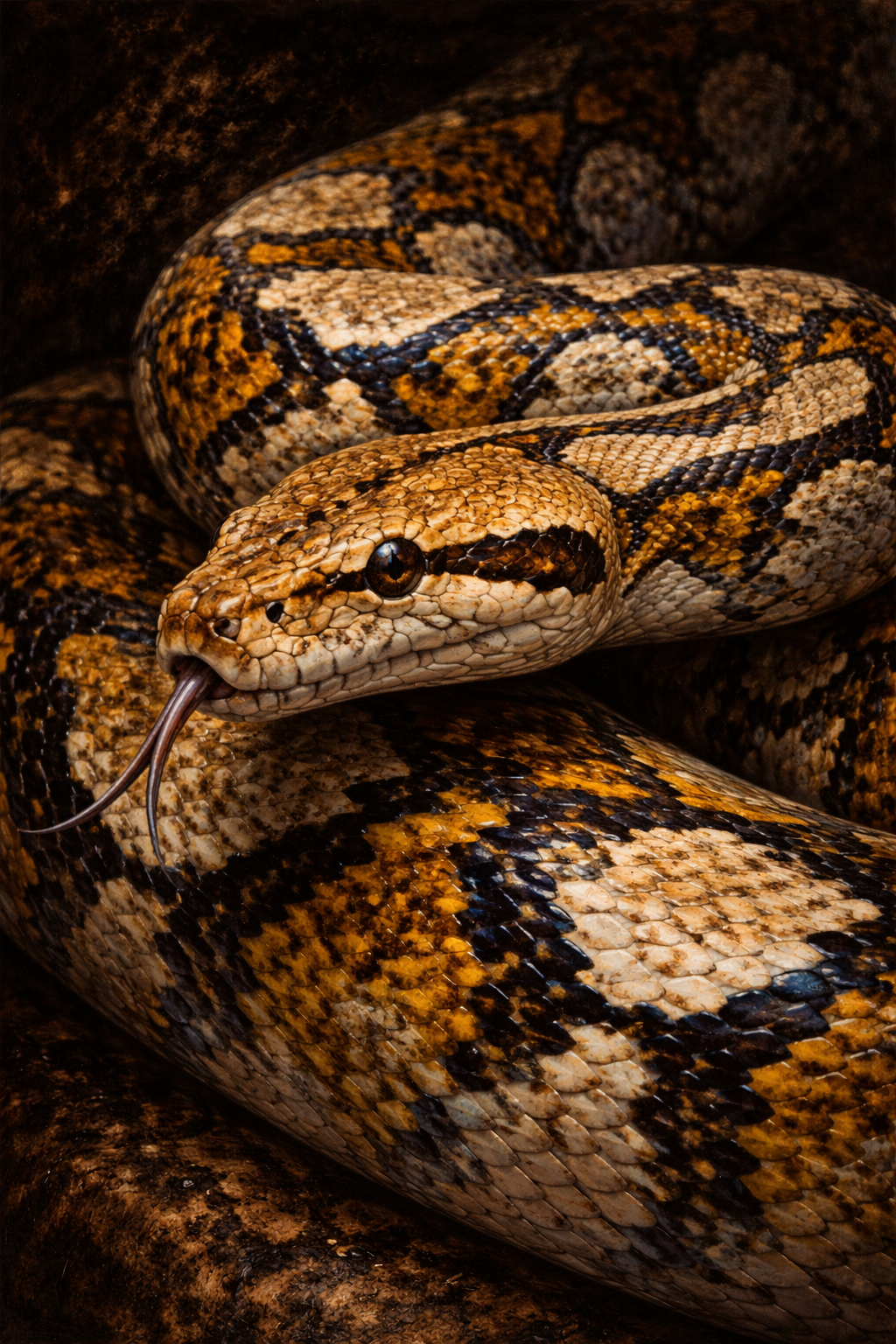
Pet snakes span an extraordinary range — from the 30cm garter snake to the 7-metre reticulated python, from a 5-year lifespan to a documented 47 years. Choosing a species is choosing a relationship that could last longer than most human friendships. Research before you commit.
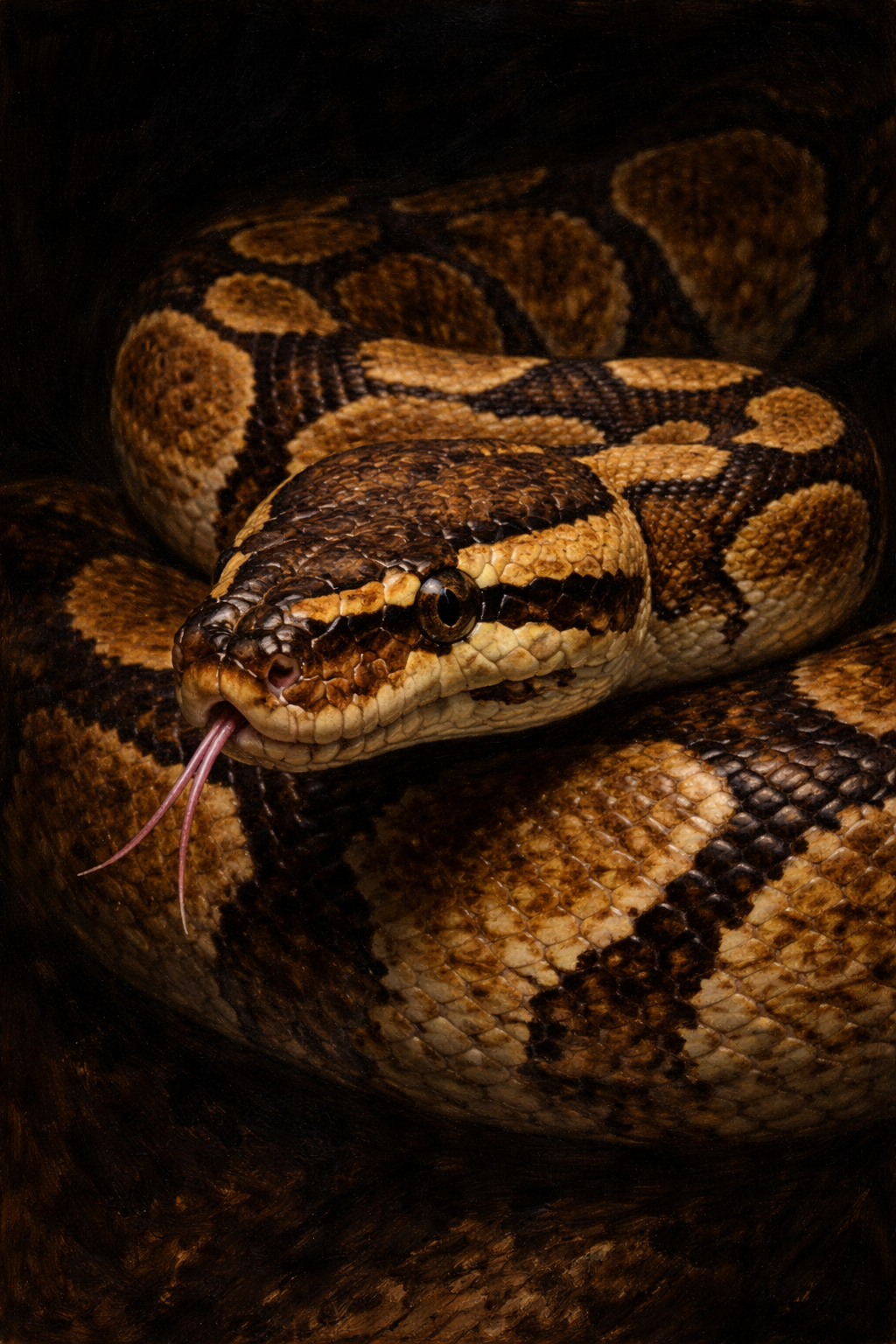
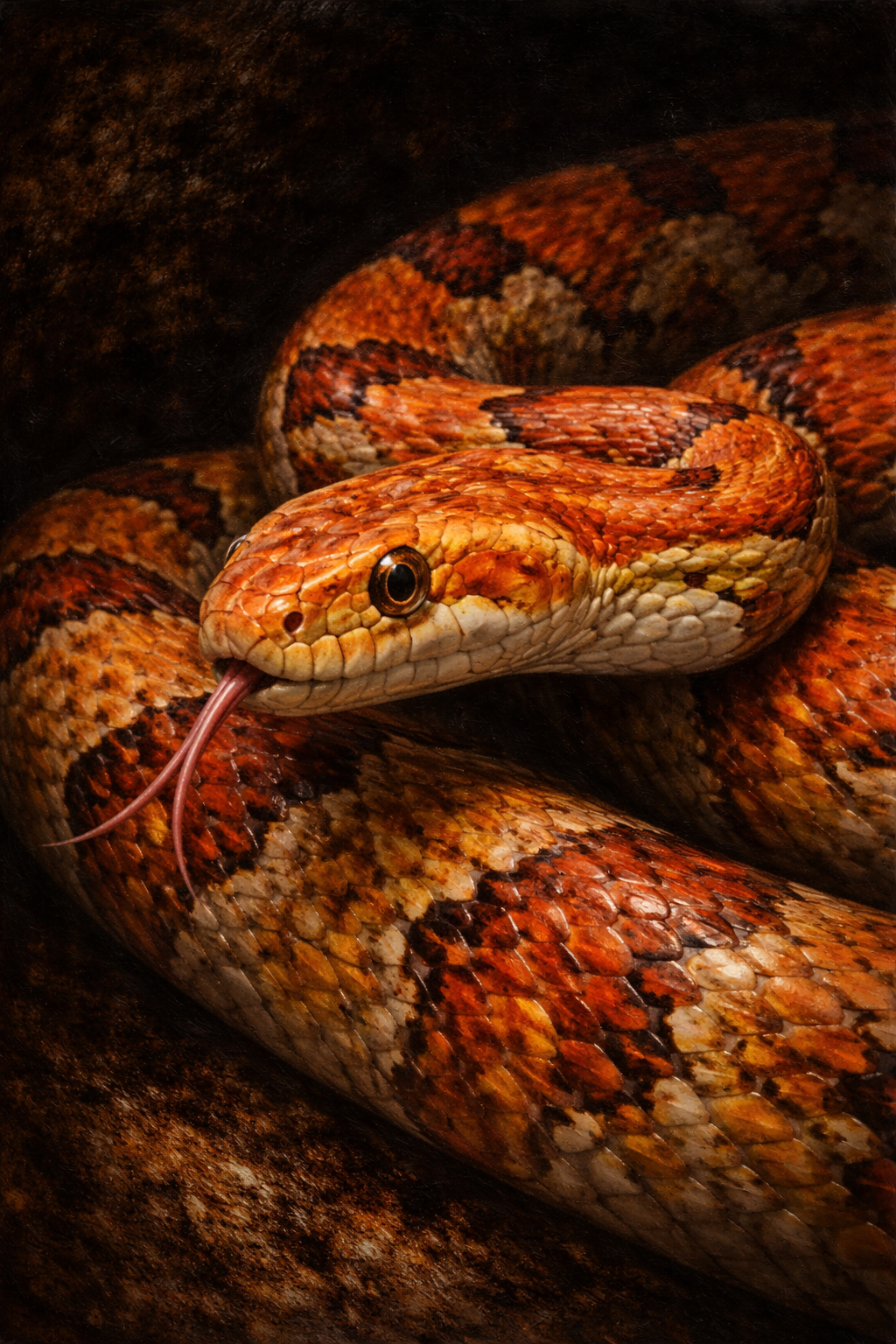
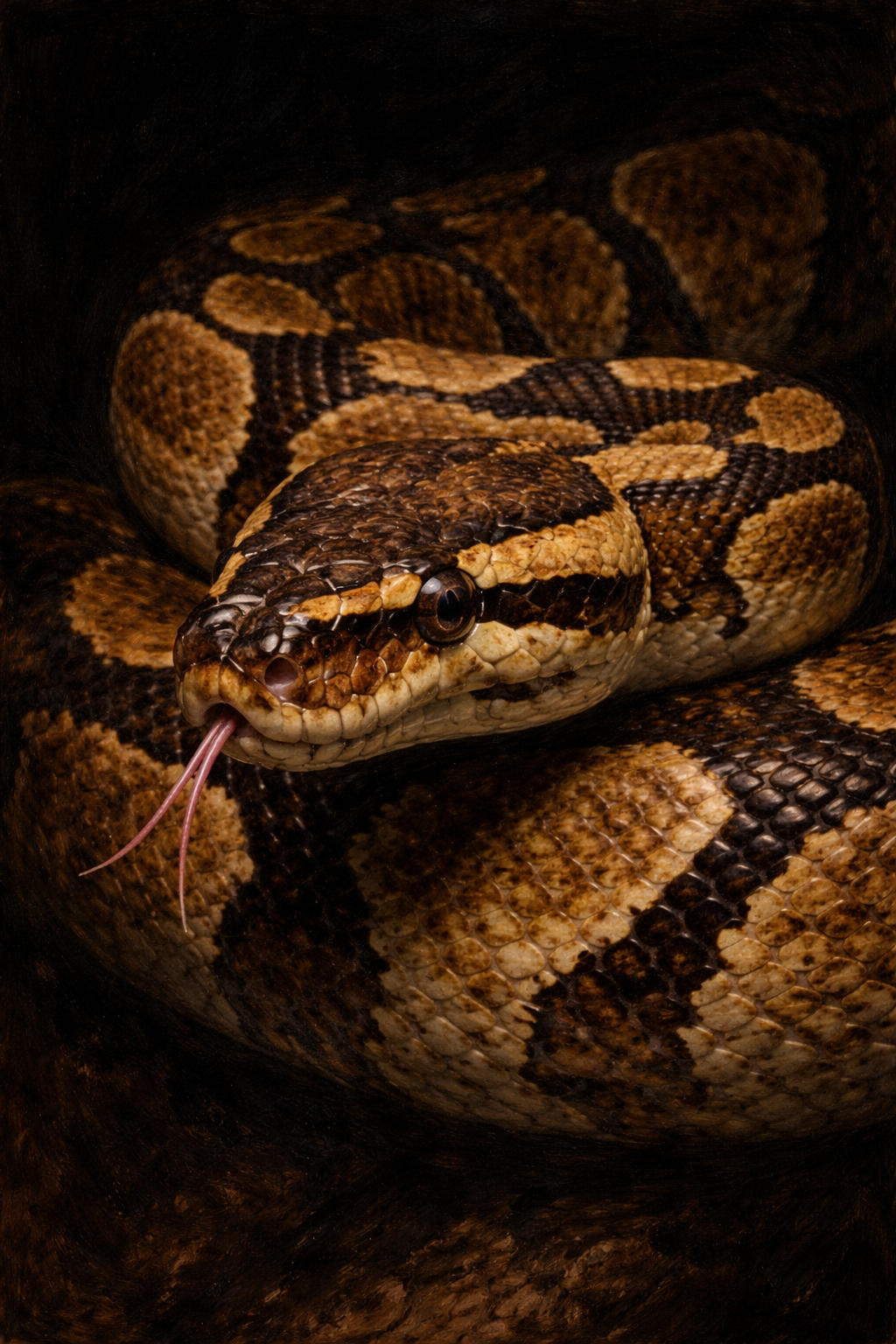
Snake Age to Human Years
| Snake Age | Ball Python | Corn Snake | Boa Constrictor | Hognose | Garter Snake | Life Stage |
|---|---|---|---|---|---|---|
| 6 months | ~4 yrs | ~5 yrs | ~4 yrs | ~6 yrs | ~10 yrs | Hatchling / Neonate |
| 1 year | ~7 yrs | ~9 yrs | ~7 yrs | ~10 yrs | ~17 yrs | Juvenile |
| 3 years | ~18 yrs | ~23 yrs | ~18 yrs | ~26 yrs | ~42 yrs | Young Adult |
| 6 years | ~32 yrs | ~43 yrs | ~32 yrs | ~52 yrs | ~72 yrs | Prime Adult |
| 10 years | ~46 yrs | ~62 yrs | ~46 yrs | ~72 yrs | Elder | Mature Adult |
| 15 years | ~60 yrs | ~76 yrs | ~60 yrs | Elder | — | Senior |
| 20 years | ~71 yrs | Elder | ~71 yrs | — | — | Senior / Elder |
| 30+ years | ~84 yrs | — | Elder | — | — | Elder / Record territory |
🐍 Snake age is not always known precisely — captive-bred snakes have known hatch dates, but wild-caught individuals may be aged approximately from size, scale wear, and reproductive history. The record for the oldest snake in captivity is held by a ball python at the Philadelphia Zoo that lived to 47 years and 6 months. A snake that reaches this age has been cared for by someone who took their commitment seriously across nearly five decades.
Snakes — The Latest Science and Industry News
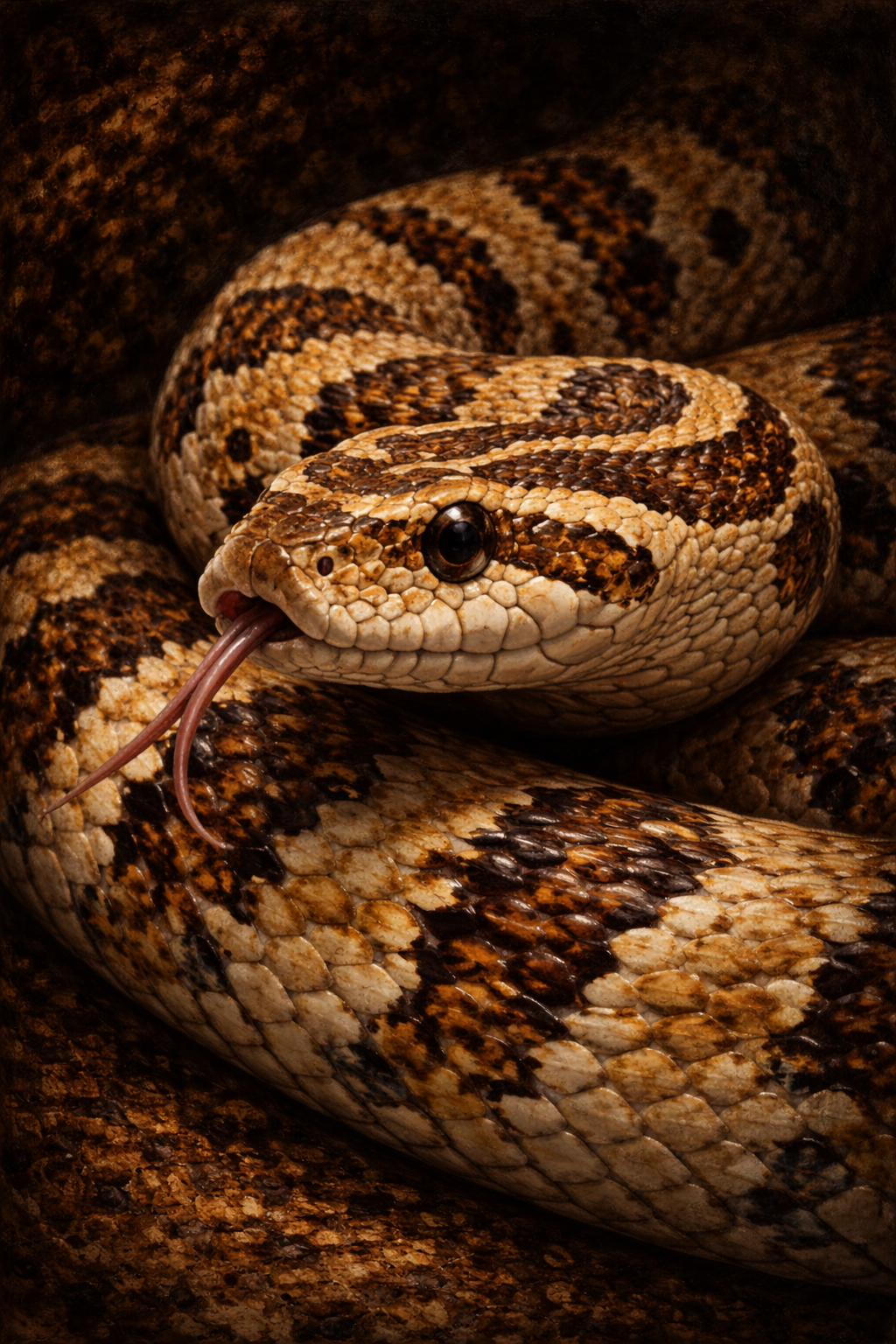
A study published in the Journal of Comparative Neurology in March 2025 provided striking evidence that environmental enrichment significantly increases brain volume in snakes — directly challenging the persistent misconception that reptiles are neurologically simple and tolerant of bare, minimalistic housing. Researchers at Brock University used the western hognose snake (Heterodon nasicus) — one of the most popular pet snakes in the hobby — as their model species, housing 15 juvenile hognose snakes in either enriched or standard bare environments for one year before imaging their brains.
The results were unambiguous: hognose snakes raised in enriched environments showed significantly greater total brain volume, particularly in midbrain and hindbrain regions, compared to those raised in barren standard conditions. The researchers concluded that standard bare reptile housing conditions actively stunt brain growth — and that the more accurate framing is not that enrichment helps snakes develop better, but that impoverished housing stunts development below what it would otherwise be. The study adds to growing evidence that reptiles respond to environmental enrichment in the same fundamental ways as mammals and birds.
For pet snake keepers, the practical implications are clear: providing hides, climbing branches, varied substrate, and visual complexity is not merely aesthetic or optional — it has measurable neurological consequences. A snake in a bare enclosure with a single hide and a water bowl is not thriving; it is being neurologically deprived.
The American Pet Products Association's 2024 Fish and Reptile Owner Insight Report revealed a striking surge in snake ownership that has transformed the hobby. The most notable finding: 27% of snake owners now have three or more snakes in their household — a 108% increase since 2018. The data reflects a significant shift from casual single-snake ownership toward dedicated multi-snake keeping, driven by the extraordinary diversity of colour morphs available from captive breeders and by the growth of online reptile communities that share knowledge, equipment advice, and breeding stock.
The global pet snake market was valued at approximately $1.86 billion in 2024 and is projected to reach $3 billion by 2035, growing at 4.4% annually. Ball pythons dominate the market by a substantial margin — projected to account for approximately $1.2 billion of the market by 2035 alone — driven by the extraordinary diversity of captive-bred morphs and their reputation as manageable, long-lived, and visually stunning companions. Corn snakes represent the second-largest segment at approximately $500 million.
A biodiversity survey of 64 caves across Cambodia's Battambang province, published in March 2026 and led by UK conservation charity Fauna & Flora, uncovered a range of species new to science — including a turquoise pit viper, a flying snake, and several new gecko species. The survey, conducted between November 2023 and July 2025, treated each isolated limestone karst hill as an independent evolutionary laboratory — finding that the same experiment of evolution was running independently in each isolated cave system, producing distinct variations in species that had been separated for tens of thousands of years.
The expedition also documented a young reticulated python — the world's longest snake, capable of exceeding 7 metres. The turquoise pit viper, still being formally named, is already of conservation concern: researchers warn its striking appearance makes it an immediate target for the exotic pet trade, and formal naming is the first step toward legal protection. The discovery underscores that even in a world of satellite mapping and drone surveys, significant vertebrate species remain unknown to science, often in cave systems and isolated habitats that have received limited scientific attention.
Snakes have long been dismissed as simple, instinct-driven animals with limited cognitive capacity — a view that research increasingly challenges. Studies have demonstrated that snakes have a significantly greater capacity for learning than early research indicated — showing measurable improvement in spatial learning tasks over repeated trials, use of multiple sensory channels to integrate environmental information, and age-dependent differences in how they gather and process information about their surroundings.
The sensory biology of snakes is itself remarkable. Pit vipers, pythons, and boas possess infrared-sensing pit organs — heat-sensitive membranes containing the TRPA1 channel, the most thermally sensitive receptor found in any vertebrate — allowing them to form thermal images of warm-blooded prey in complete darkness. Their forked tongue samples chemical gradients simultaneously from two slightly separated points, allowing them to triangulate the direction of scent trails with a precision that no nostril-based system can match. These are not the senses of a simple animal — they are the highly evolved, exquisitely sensitive tools of a predator that has spent 130 million years refining its approach to hunting without limbs.
Things About Snakes That Will Actually Surprise You
🐍 All 7 species on this page are non-venomous constrictors or harmless colubrids. None pose a venom risk. Large boas and reticulated pythons carry a constriction risk if mishandled but are not venomous. The hognose snake produces a very mild rear-fanged venom used to subdue amphibian prey — it is not medically significant to humans and most people experience no reaction from a hognose bite. Always handle large pythons (2m+) with a second person present.
Key Care Requirements by Species
| Species | Enclosure (adult) | Temperature | Diet | Handling difficulty |
|---|---|---|---|---|
| Ball Python | 120x60cm minimum | 28–32°C warm / 24–26°C cool | Frozen/thawed mice or rats, every 1–2 weeks | Easy — very docile |
| Corn Snake | 120x60cm minimum | 26–30°C warm / 20–24°C cool | Frozen/thawed mice, every 7–10 days | Easy — ideal beginner |
| King Snake | 120x60cm minimum | 28–32°C warm / 22–26°C cool | Frozen/thawed mice, every 7–10 days | Easy — can be nippy as juvenile |
| Boa Constrictor | 180x90cm+ for adult female | 28–32°C warm / 24–27°C cool | Rats, rabbits for large adults; every 10–14 days | Intermediate — size requires care |
| Reticulated Python | 240x120cm+ minimum; custom builds advised | 30–35°C warm / 24–28°C cool | Large rats, rabbits, chickens for adults | Advanced — large adults need 2 handlers |
| Hognose Snake | 90x45cm sufficient | 28–32°C warm / 22–25°C cool | Frozen/thawed mice; some prefer amphibians | Easy — drama without danger |
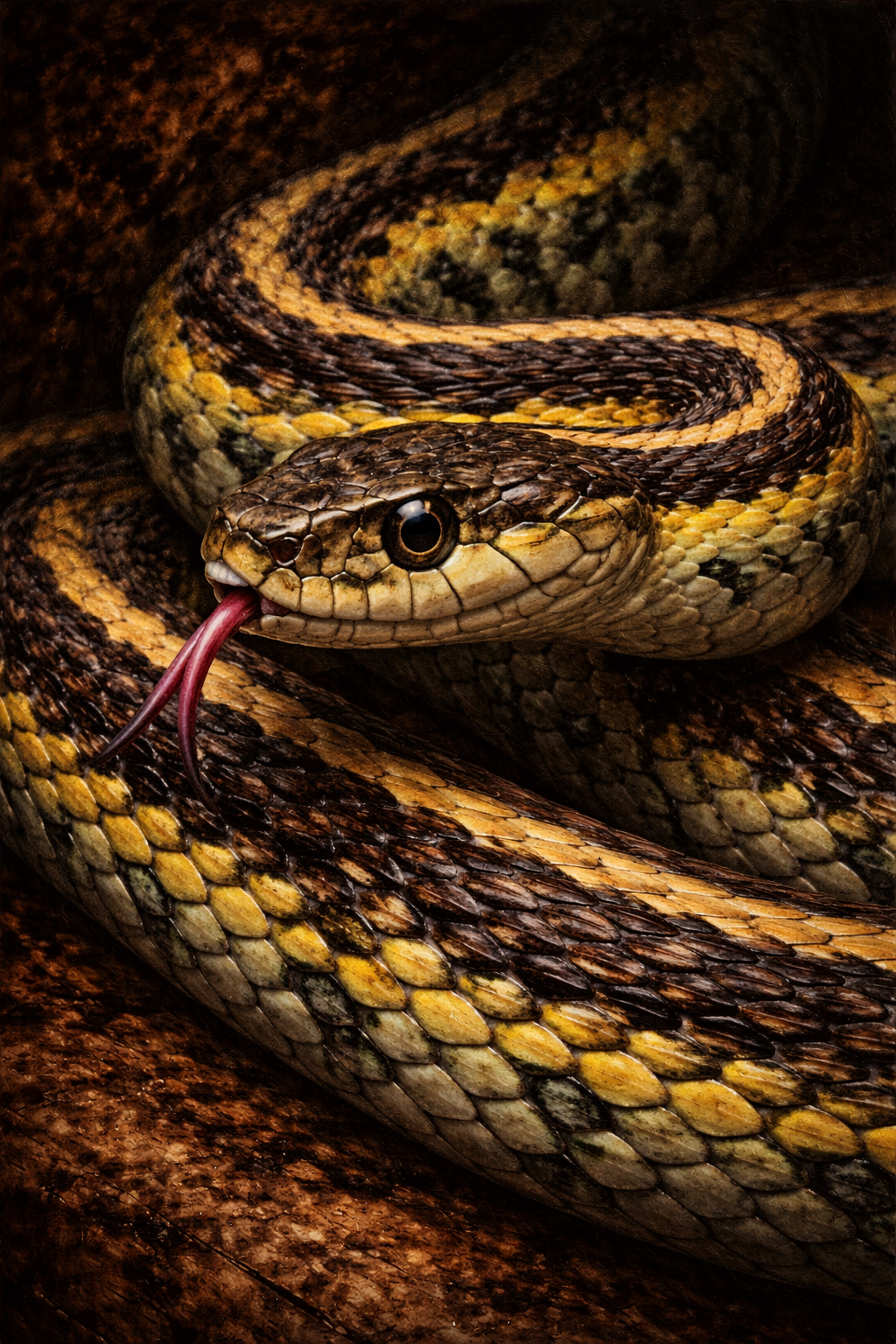
| Garter Snake | 90x45cm minimum; active so bigger is better | 26–28°C warm / 18–22°C cool | Earthworms, fish, amphibians; no dry mice | Easy once settled; musks when young |