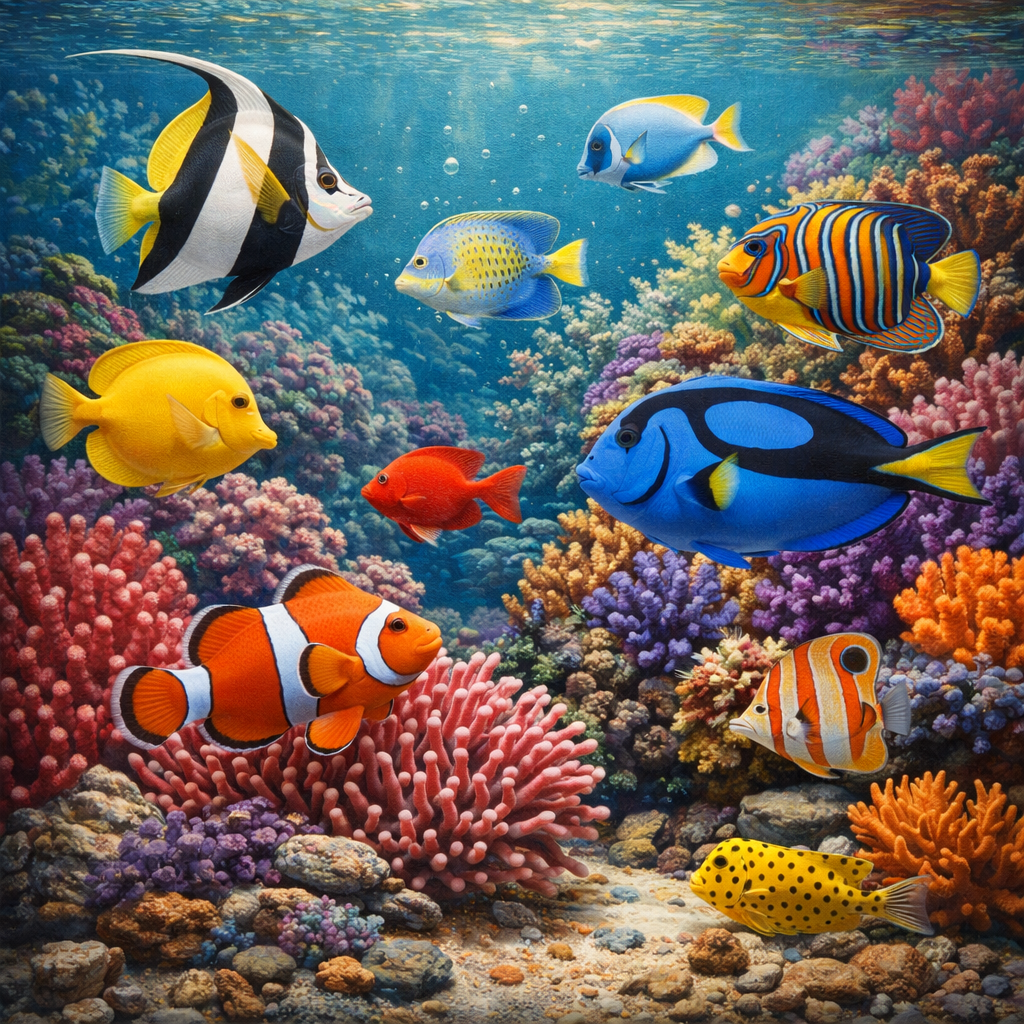
Seven Marine Species — A Field Guide
Marine fish are among the most demanding animals in the aquarium hobby — requiring precise salinity, stable temperature, high water quality, and in most cases live rock and a mature biological filter. But for those who master the saltwater system, the species available are unmatched in colour, behaviour, and sheer biological interest.
Saltwater Fish Age to Human Years
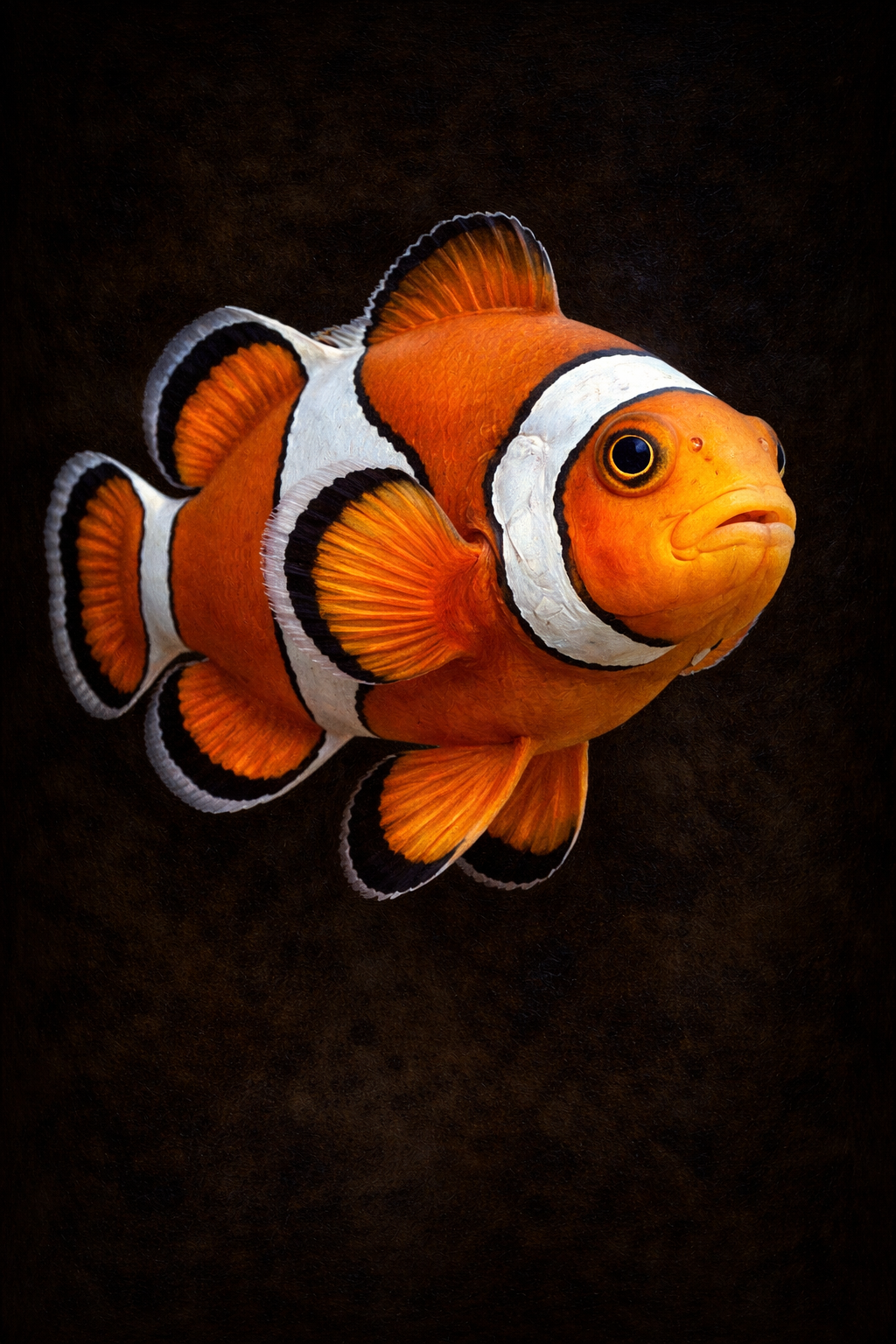
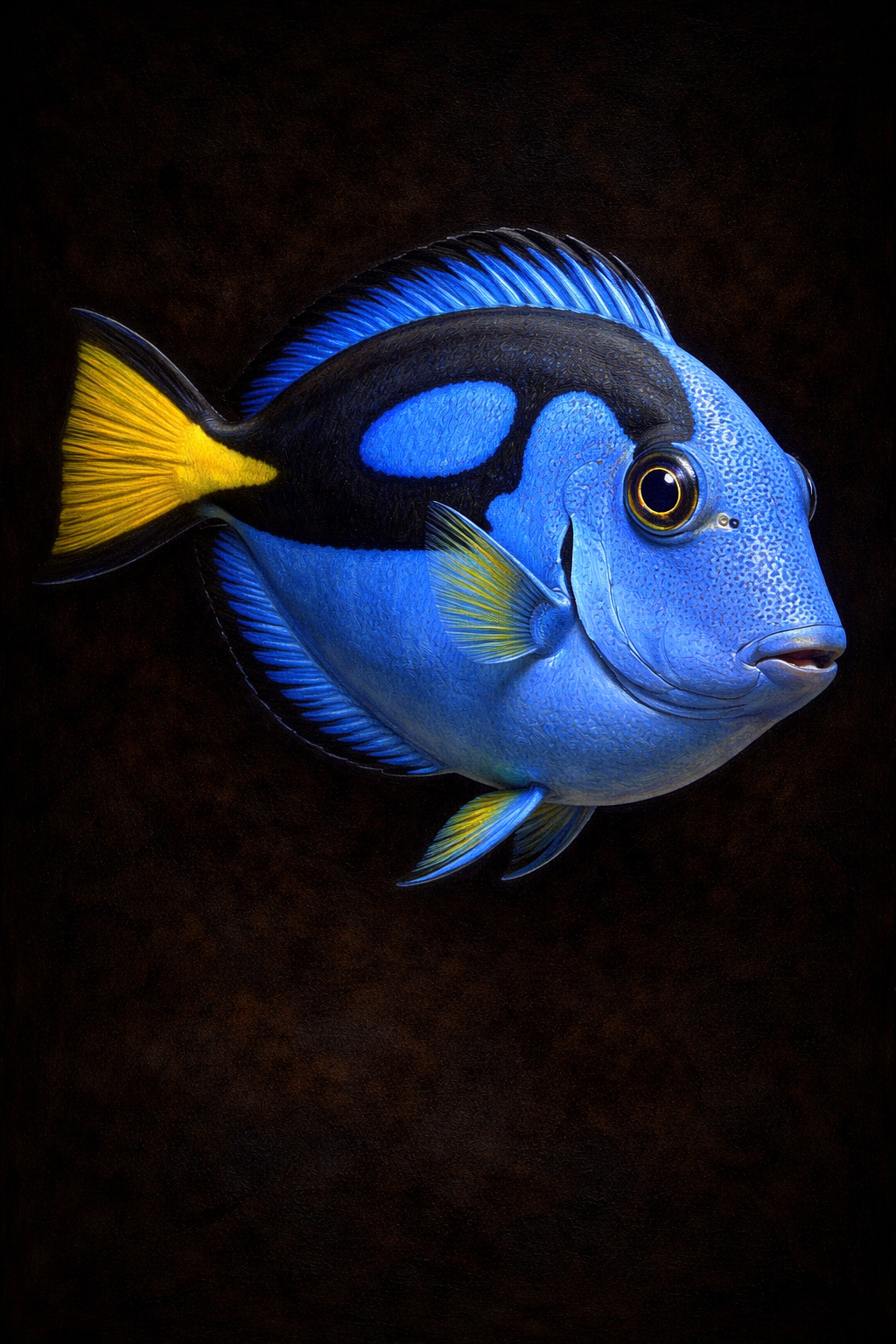
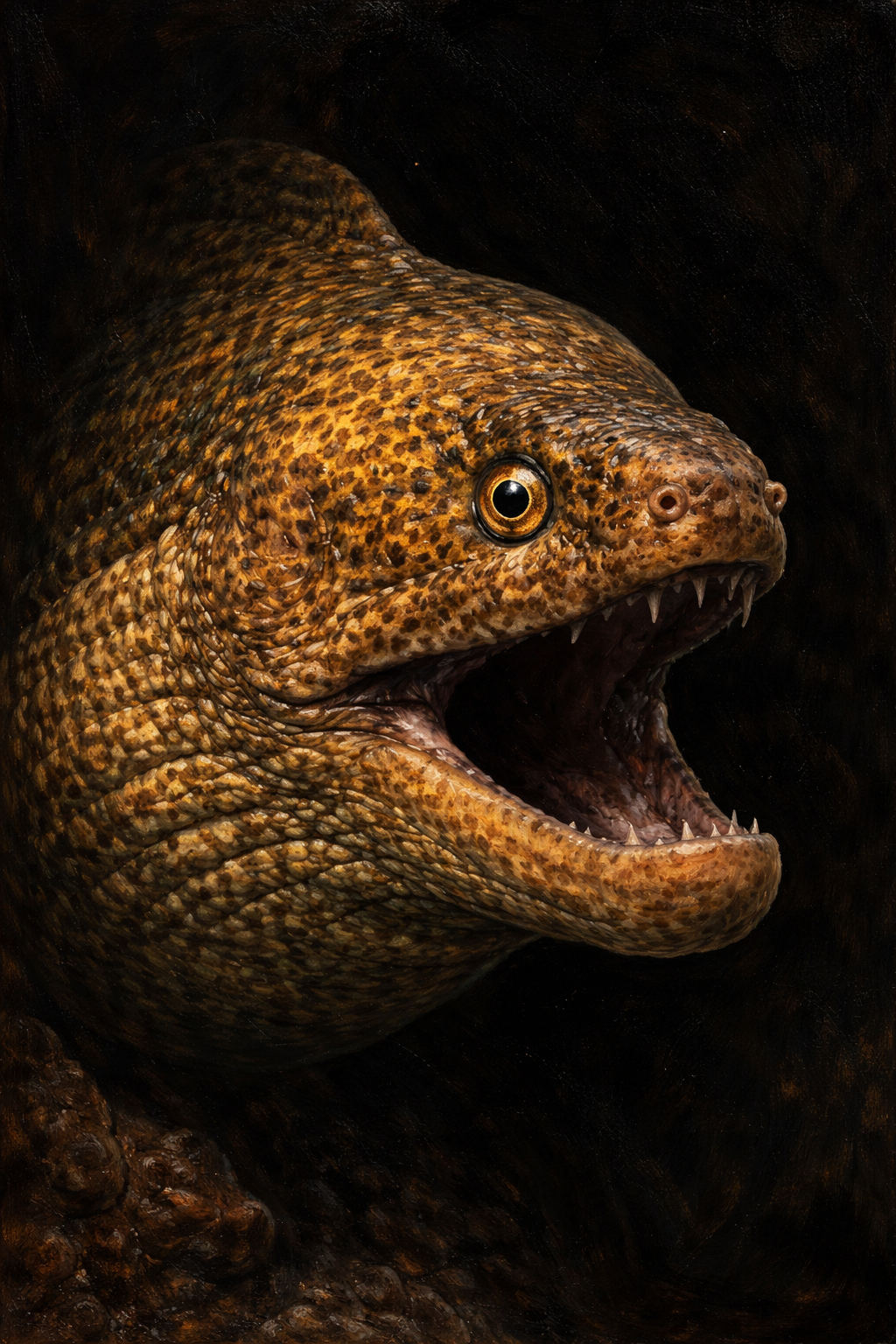
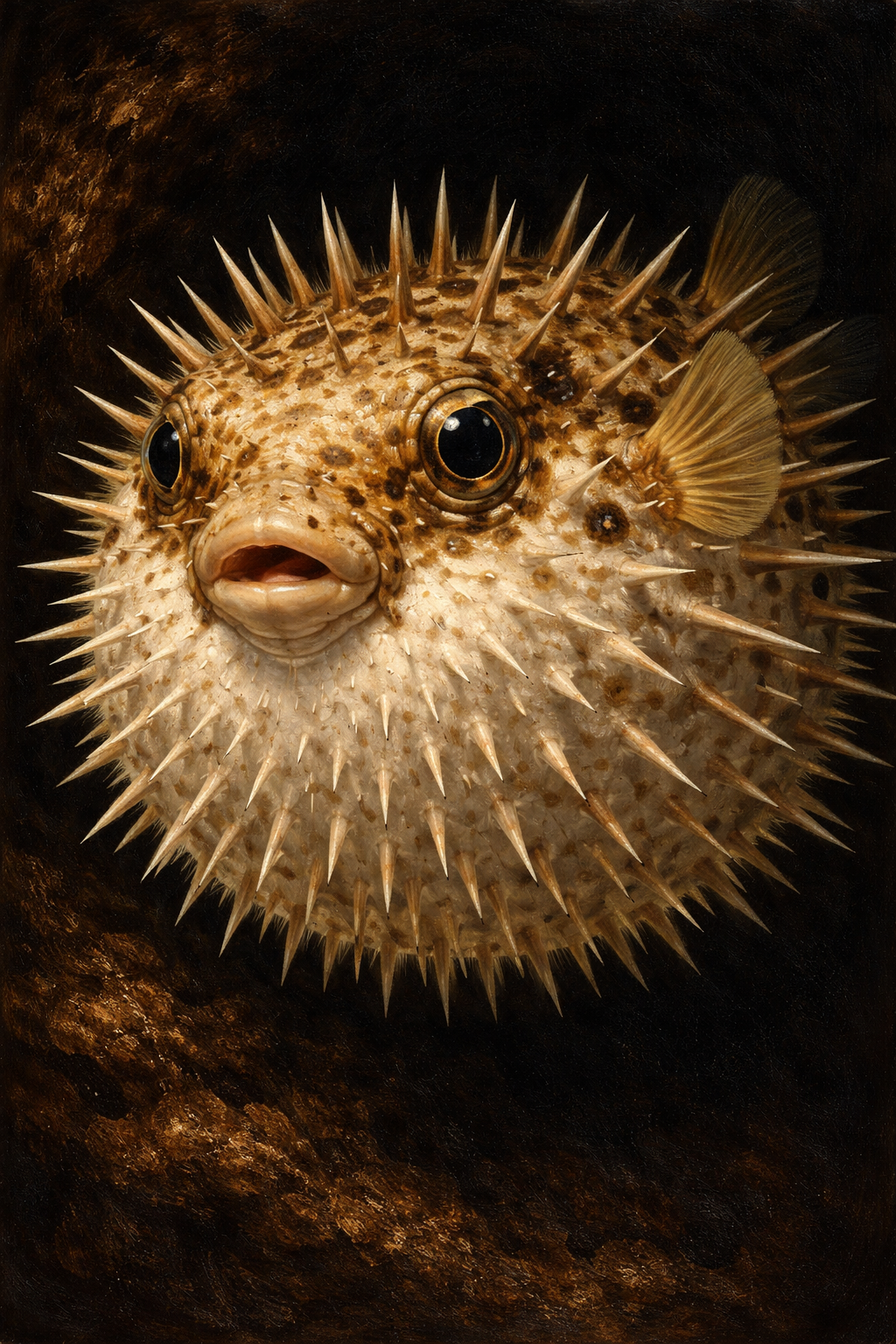
| Fish Age | Clownfish | Blue Tang | Moray Eel | Lionfish | Pufferfish | Life Stage |
|---|---|---|---|---|---|---|
| 6 months | ~10 yrs | ~7 yrs | ~4 yrs | ~7 yrs | ~7 yrs | Juvenile |
| 1 year | ~16 yrs | ~12 yrs | ~7 yrs | ~12 yrs | ~12 yrs | Young Adult |
| 3 years | ~35 yrs | ~30 yrs | ~18 yrs | ~32 yrs | ~32 yrs | Prime Adult |
| 6 years | ~58 yrs | ~50 yrs | ~30 yrs | ~55 yrs | ~55 yrs | Senior (clownfish) / Prime (others) |
| 10 years | Elder | ~68 yrs | ~46 yrs | ~72 yrs | ~72 yrs | Senior |
| 15 years | — | ~80 yrs | ~62 yrs | Elder | Elder | Elder (most species) |
| 20+ years | — | Elder | ~76 yrs | — | — | Elder / Exceptional longevity |
| 30+ years | — | — | Elder | — | — | Moray record territory |
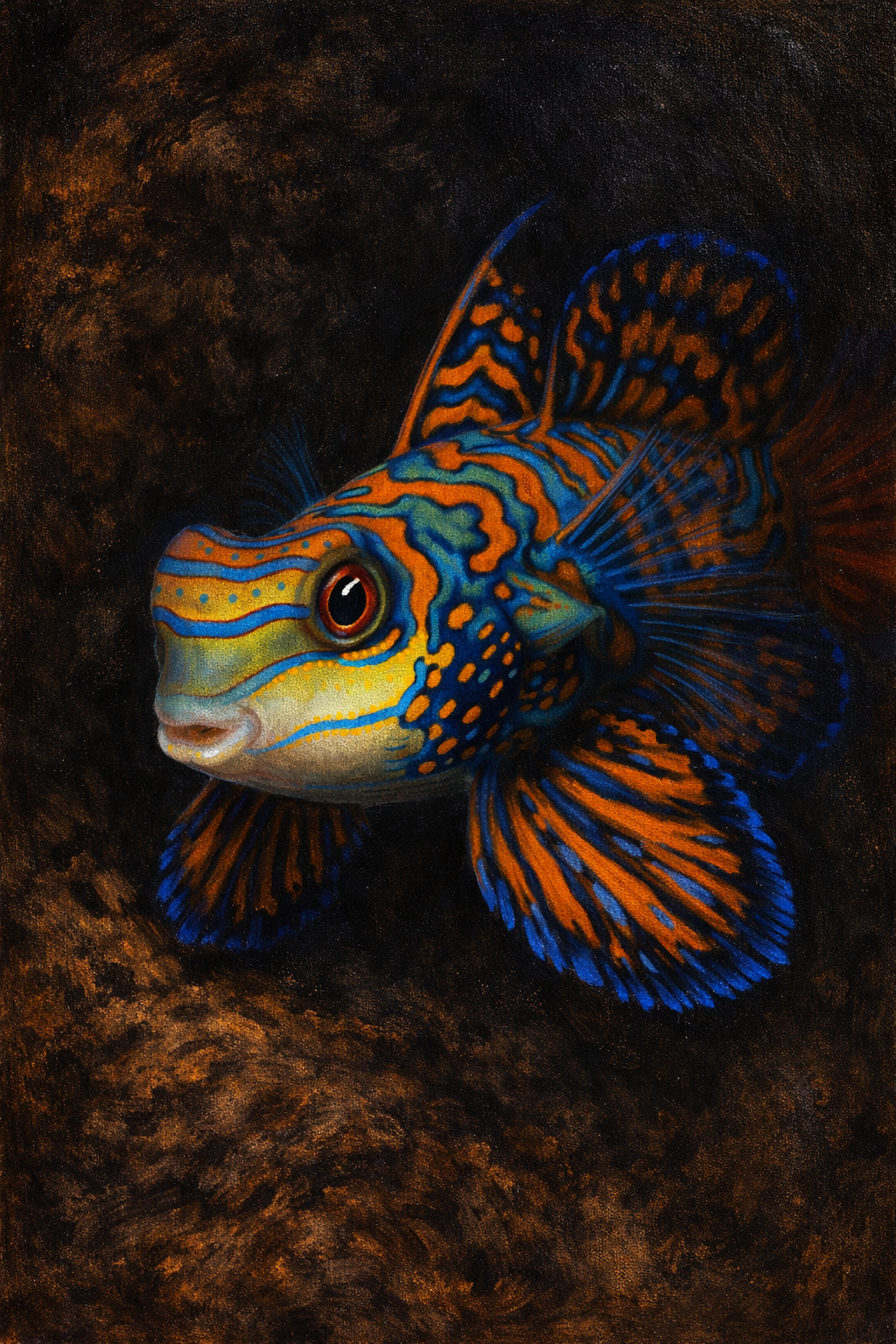
🐠 Wild vs captive lifespans: Most marine fish live significantly longer in the wild than in captivity — the stress of capture, transport, and aquarium conditions takes a toll. The mandarin dragonet is a notable exception in reverse: it can reach 15 years in the wild but rarely survives more than 2–4 years in captivity due to feeding difficulties. A captive marine fish that reaches its expected maximum lifespan has been exceptionally well cared for.
Saltwater Fish — The Latest Science and Industry News
A landmark study published in Conservation Biology in October 2025 analysed listings from four major US online marine aquarium retailers and found that 89.2% of the 734 species available for sale were sourced exclusively from the wild — with aquaculture producing only 21 species. The United States accounts for approximately two-thirds of global marine aquarium fish imports, making it the dominant driver of wild collection pressure on coral reef systems in Indonesia, the Philippines, and across the Indo-Pacific.
The study identified 45 species of conservation concern — 20 threatened species and 25 additional species with declining population trends — being openly sold online. Perhaps most alarming was the data gap: 282 of the 734 species, nearly 40%, were absent from at least one of the two main authoritative databases (IUCN and FishBase) tracking the aquarium trade. Researchers described this as evidence of the opacity and lack of traceability within the industry. The act of capturing marine fish can also damage reefs directly — particularly through the use of cyanide to flush fish from coral crevices, a practice still widely used in parts of Southeast Asia despite being illegal.
The researchers called for stronger traceability, regulatory oversight, and consumer awareness — and for building certification schemes to distinguish responsibly sourced fish. For hobbyists, the practical takeaway is to ask retailers about the source of their fish and prioritise captive-bred specimens wherever available — clownfish, dottybacks, and some gobies and basslets are now reliably bred in captivity.
Hawaii banned commercial aquarium fish collection statewide in 2017, citing reef damage and population declines in heavily targeted species. In October 2025, Hawaii's state Land Board advanced a plan to re-open West Hawaii waters to the aquarium pet industry — triggering an immediate backlash. A poll by Anthology Research found that 84% of Oahu and Hawaii Island residents support permanently banning commercial capture of reef fish for the aquarium trade.
Conservation advocates noted that reef fish populations in areas targeted by the industry have not recovered in the eight years since the ban — even without ongoing collection pressure — due to ongoing ocean heat stress. The yellow tang, one of the most prized aquarium fish from Hawaiian reefs, can live more than 40 years in the wild if left undisturbed — a lifespan dramatically shortened by collection and transport stress. Proposed new rules would allow hundreds of thousands of reef fish to be taken over five years from reefs already weakened by bleaching events and climate change.
On the Great Barrier Reef, reproductive biologists from Taronga Conservation Society used cryopreservation techniques to fertilise coral eggs with frozen sperm — creating cryo-born coral larvae that were then planted directly onto the Reef on specially designed cradles to track their first-year survival. The technique opens the possibility of using genetic material preserved from pre-bleaching corals to restore reefs with genetically diverse, heat-tolerant specimens even after the original colonies have died.
A separate study published in PNAS in January 2026 found that rebuilding the world's coral reef fish stocks could provide food for millions of people in coastal communities that currently face food insecurity — projecting that sustainable reef fishery management could yield dramatically more food than current exploitation patterns, while simultaneously supporting the biodiversity that makes reefs functional ecosystems. The reef aquarium market, projected to reach $7.3 billion by 2029, has a significant stake in reef health — without living reefs, the wild-caught fish that dominate the trade simply cease to exist.
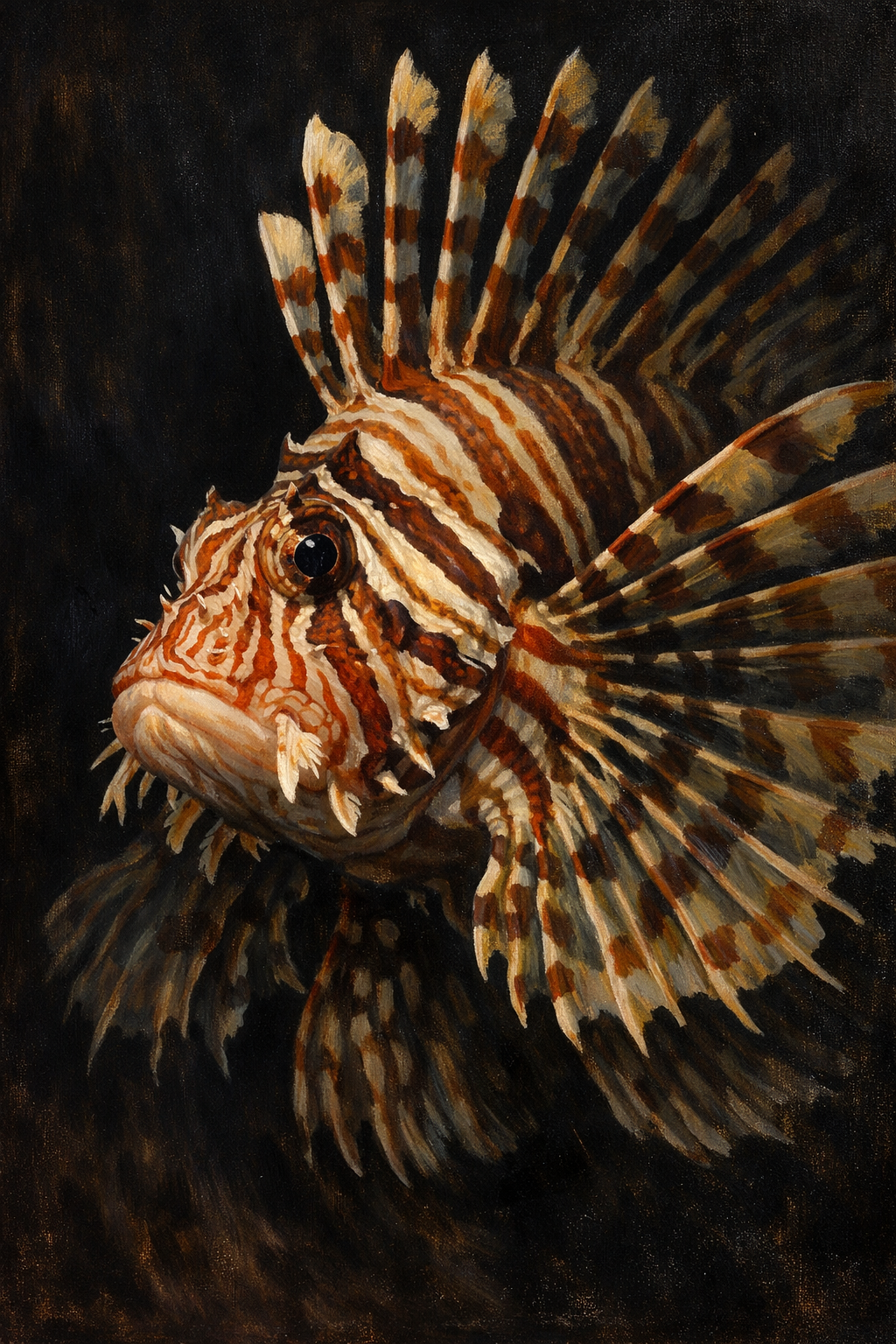
The red lionfish (Pterois volitans) is native to the Indo-Pacific, where it has natural predators and plays a balanced ecological role on reef systems. Beginning in the 1980s, specimens — almost certainly released by aquarium owners — established in Atlantic waters, and the population has since exploded throughout the Caribbean, Gulf of Mexico, and up the US East Coast, with sightings now recorded as far north as Rhode Island.
In the Atlantic, lionfish have no natural predators and consume native reef fish with devastating efficiency — studies have documented individual lionfish consuming 79% of a reef's small fish population within five weeks. They reproduce year-round, each female releasing 10,000–30,000 eggs every few days. Their venomous spines make them nearly immune to predation by native Atlantic species. Diver removal programmes have had local success but cannot address the scale of the invasion. The lionfish case is now a textbook example of why never releasing aquarium fish into the wild is one of the most important environmental responsibilities of the marine hobby — a single irresponsible release can trigger an ecological disaster lasting decades.
Things About Saltwater Fish That Will Actually Surprise You
🐠 Never release aquarium fish into the wild. The lionfish invasion — documented above — began with a small number of irresponsible releases by aquarium owners. Releasing marine fish (or any aquarium species) into local waterways is illegal in most jurisdictions and can cause ecological damage lasting decades. If you can no longer keep your fish, contact your local aquarium store, fish club, or marine rescue organisation. Never flush, never release.