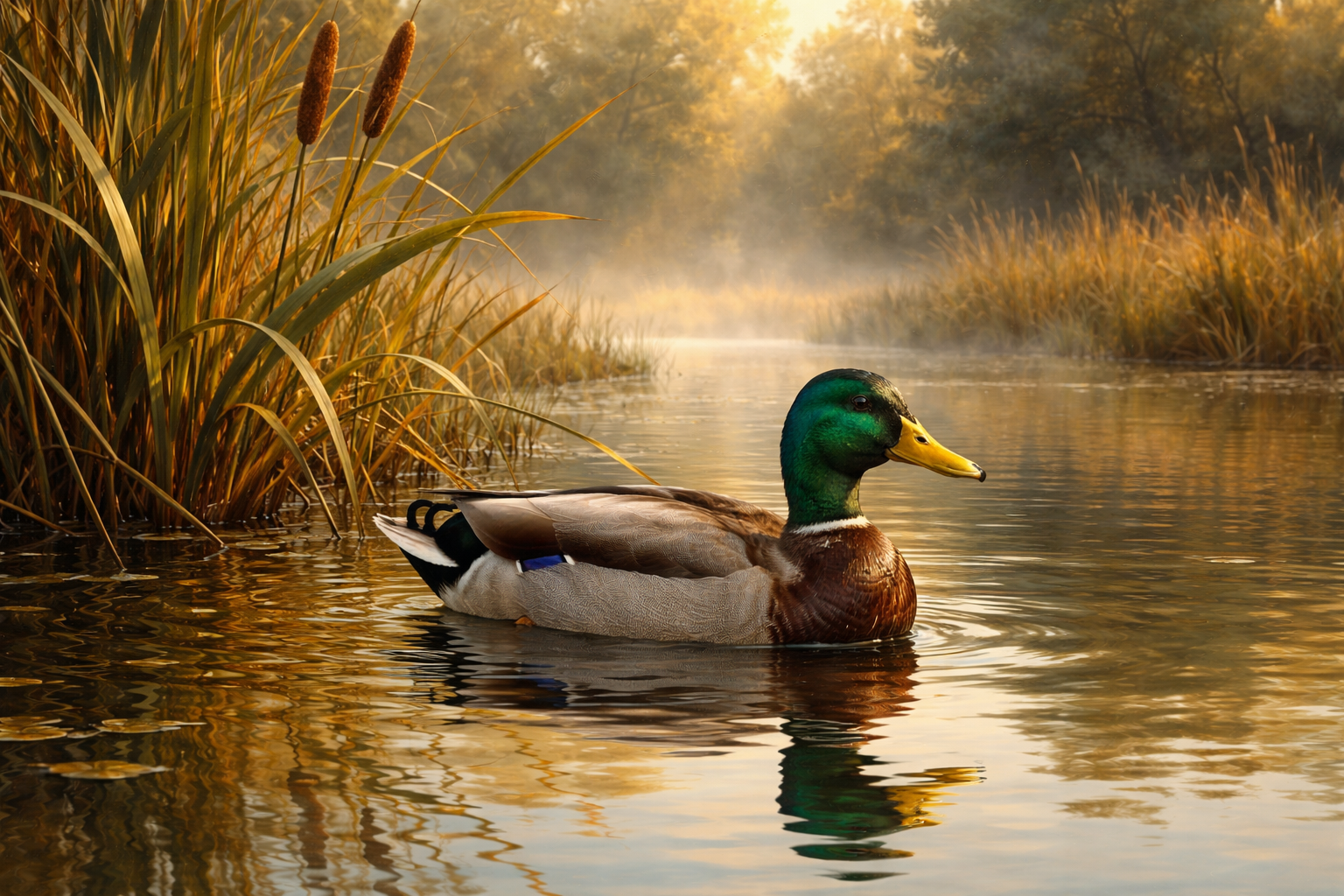
Things About Ducks That Will Actually Surprise You
Ducks — The Latest Science and Research
Wild waterfowl — particularly dabbling ducks like mallards — are the primary natural reservoir for avian influenza viruses, carrying the viruses with minimal symptoms while potentially transmitting them to domestic poultry. The 2025 wave of highly pathogenic avian influenza (HPAI) outbreaks across US commercial poultry followed a pattern consistent with wild waterfowl transmission during migration.
Backyard duck keepers are particularly advised to prevent contact between their flocks and wild waterfowl, avoid shared water sources, and monitor for signs of illness. Unlike commercial operations that can implement strict biosecurity protocols, backyard flocks in areas used by wild ducks face ongoing transmission risk that is difficult to fully eliminate. The USDA recommends contacting a veterinarian immediately if ducks show sudden illness or mortality.
Research published in Science demonstrated that newborn ducklings understand the abstract concepts of "same" and "different" within hours of hatching — without any training. Ducklings imprinted on pairs of objects sharing a relationship (same shape, or different colour) then preferentially followed new pairs of objects that maintained the same relational pattern, even when the specific objects were completely novel.
The findings were remarkable because relational learning of this kind was previously thought to require significant experience and neural development. That ducklings demonstrate it as a near-innate capacity within hours of birth suggests that the evolutionary pressure of imprinting — ducklings need to rapidly identify and follow their mother — may have driven the development of abstract pattern recognition as a core cognitive tool, with implications for understanding how intelligence evolves across species.